

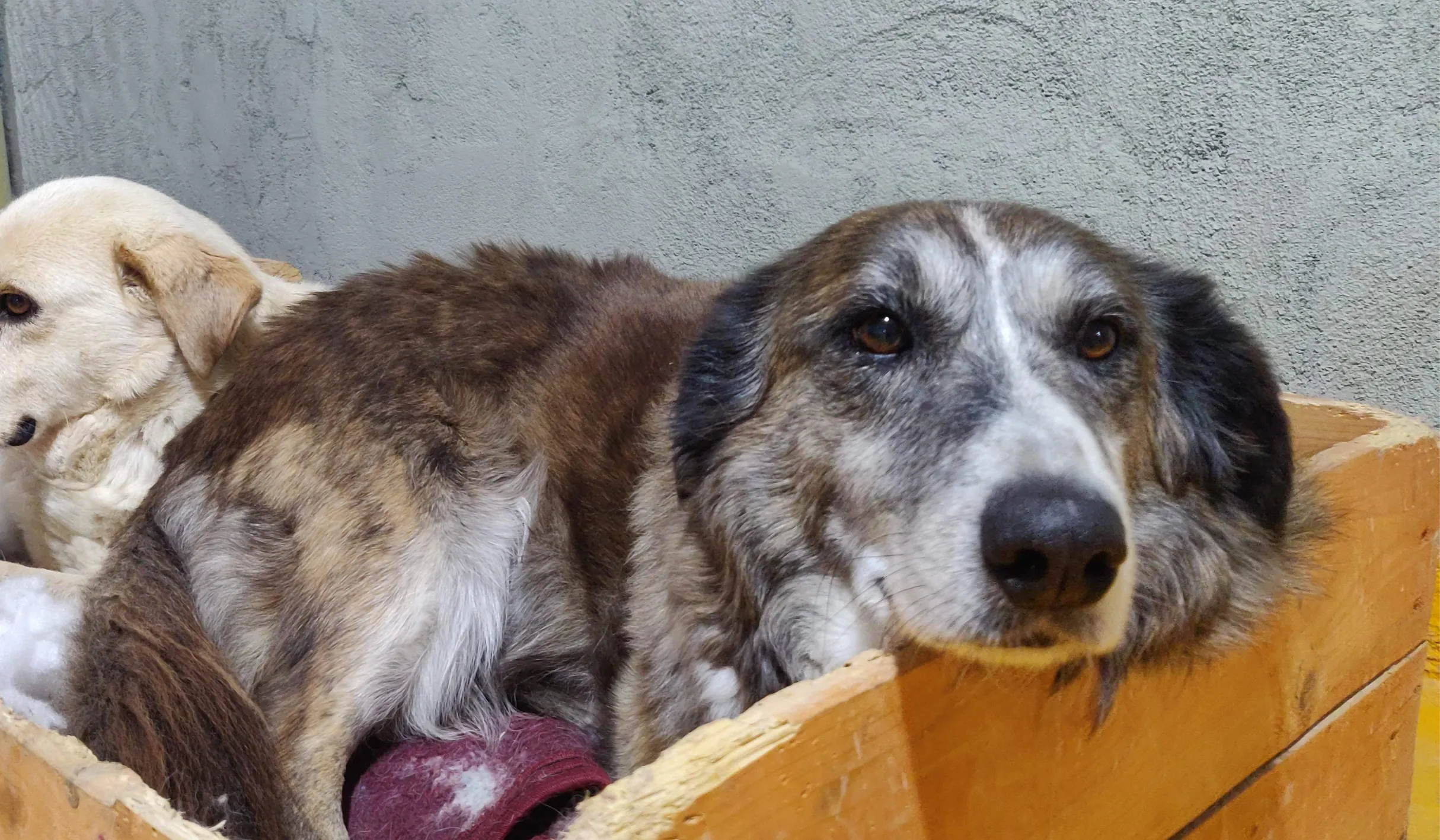
Dogs and cats that live on the streets face hardship every day, but extreme weather conditions put them at even greater risk. High temperatures in summer can cause dehydration and heatstroke, while cold, rain and snow can lead to hypothermia and serious health problems.
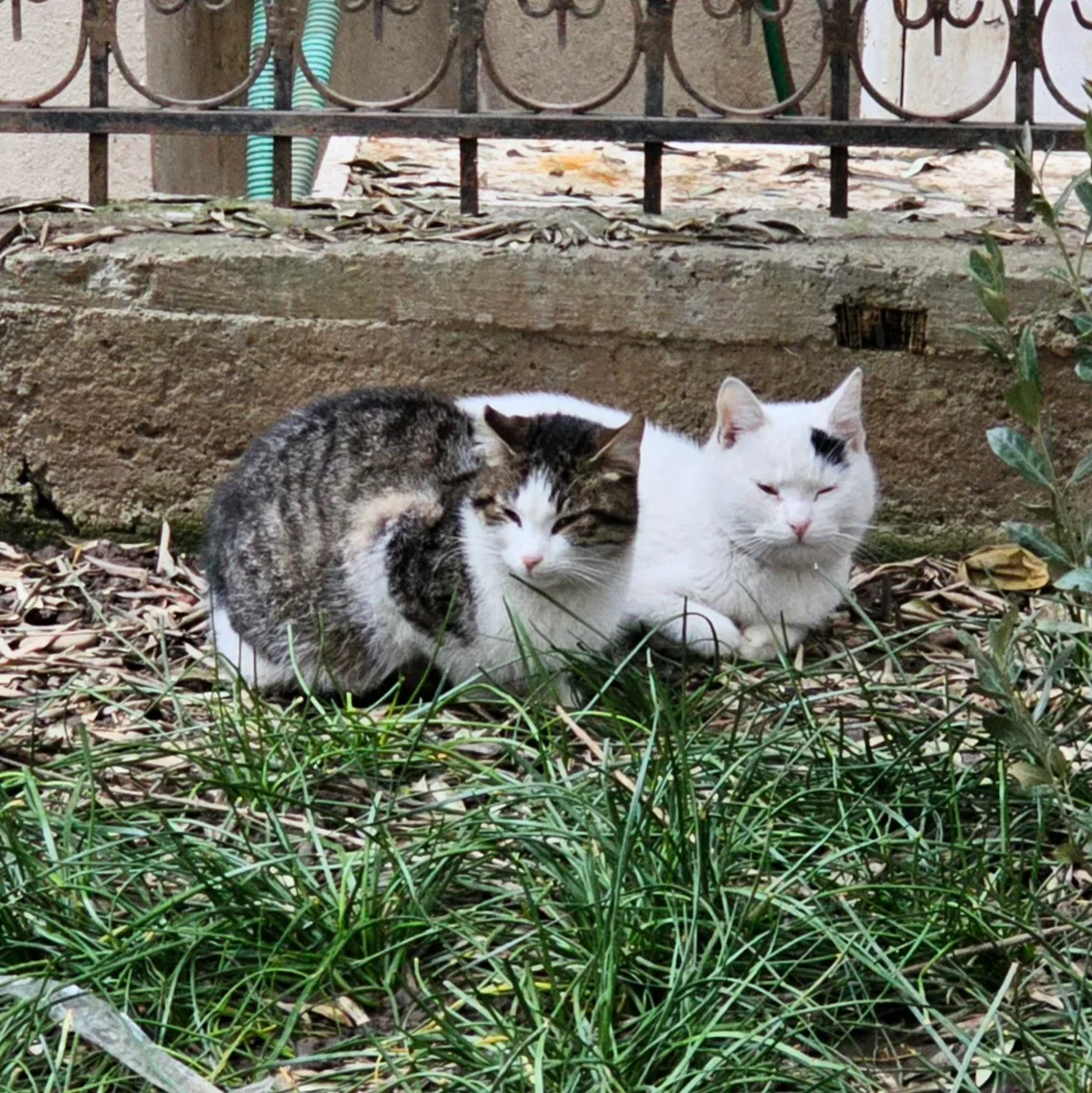
A bowl of water in summer or a warm shelter in winter can make the difference between life and death for a stray animal.
Dogs and cats that live on the streets face hardship every day, but extreme weather conditions put them at even greater risk. High temperatures in summer can cause dehydration and heatstroke, while cold, rain and snow can lead to hypothermia and serious health problems.
The good news is that it doesn't take much to help them. Even the smallest actions can have a big impact.
1. In summer: water is vital
On hot days, stray animals can find it hard to find clean water.
What can you do?
- Place bowls of fresh water near your apartment block, a shop or in a safe public space.
- Choose shady spots, away from traffic and direct sunlight.
- Change the water every day and clean the bowls regularly.
- Use sturdy bowls that don't tip over easily.
If you can, set up a few water points in your neighbourhood, especially in areas where stray animals often stay.
Remember: do not force an animal to drink water. If it is weak or unconscious, contact a vet urgently.
2. Provide shady spots and protection from the heat
Asphalt and concrete can get very hot in summer, causing burns to the paws of dogs and cats.
If you look after animals in your neighbourhood:
- Create shaded areas if there are none naturally.
- Place food and water in cool spots.
- Do not make animals move or play during the hottest hours.
- Make sure any makeshift shelter has good ventilation and does not turn into a space that traps heat.
These measures are especially important for young animals, elderly animals and those suffering from illness.
3. How to recognise heatstroke
Heatstroke is a veterinary emergency that can be life-threatening.
Some of the warning signs are:
- Very fast or laboured breathing.
- Weakness, drowsiness or inability to stand.
- Excessive drooling.
- Vomiting or disorientation.
- Loss of consciousness.
What should you do?
If it is safe to approach, move the animal to a shady, well-ventilated place.
For a dog suspected of having heatstroke, start cooling its body with water that is cooler than its body temperature and create air circulation, avoiding pouring water over its head. For cats, gently dampen the fur with lukewarm water and avoid stress.
Contact a vet immediately. Even if the animal seems to improve, it needs a professional assessment.
4. In winter: a dry shelter can save lives
The cold is especially dangerous for small, elderly, sick or short-haired animals.
Rain and damp can make the situation significantly worse.
How can you help?
- Place a small shelter in a spot protected from wind and rain.
- Use water-resistant materials.
- Raise the shelter slightly off the ground to avoid damp.
- Make sure the entrance is protected from the wind but remains easily accessible.
For cats, an insulated plastic or cardboard box, with a small entrance and dry straw inside, can be a practical solution.
Do not put blankets or towels in shelters that are not protected from damp. They can get wet, hold water and make the animal even colder.
For dogs, the shelter should be big enough for them to move around and lie down, but also insulated. In extreme cold, an outdoor shelter alone may not be enough and a safe indoor space should be found.
5. Food is just as important
In winter, animals living outdoors may have higher energy needs to maintain their body temperature.
If you want to feed them:
- Choose food suitable for dogs or cats.
- Provide regular meals if you have taken on their care.
- Place the food in safe, clean spots.
- Remove leftovers after feeding to avoid insects and contamination.
- Check that the water has not frozen during cold nights.
Do not give them dangerous foods such as chocolate, onions, grapes or cooked bones.
If you start feeding a stray animal regularly, try to do so responsibly and consistently.
6. Watch out for cats sheltering near cars
In winter, cats may seek warmth under vehicles or in the spaces near the engine.
Before starting your car:
- Check underneath it.
- Look carefully around the wheels.
- Tap lightly on the bonnet and wait a moment to give cats time to get away.
This simple habit can prevent serious injuries.
Also keep antifreeze and other toxic substances away from animals, as even small amounts can cause severe poisoning.
7. Know the signs of hypothermia
Hypothermia occurs when body temperature drops to dangerous levels.
Possible signs include:
- Strong or constant shivering.
- Weakness and slow movements.
- Unusual drowsiness.
- Slowed breathing.
- Loss of consciousness in severe cases.
If you suspect hypothermia, seek veterinary help immediately. If you can act safely, move the animal to a warm, dry place and cover it with a dry blanket. Warming should be gradual, without using direct heat or very hot water.
8. Caring for stray animals is a shared responsibility
You don't need to have a shelter or large financial resources to help.
You can get together with neighbours, friends or local businesses to provide water, food and temporary shelter.
You can also help by supporting sterilisation, veterinary care and responsible adoption.
If you see an animal that is sick, injured or in danger, contact a vet and report the case.
Your help matters, in every season
For an animal living on the street, summer and winter can be the hardest times of the year.
A bowl of water, a little food, a safe place to shelter or a phone call to the vet can make a big difference.
We cannot save all animals at once, but we can change the life of one animal today.
Animal Rescue Albania – We are their voice.